Sightlines · a mini film course
Appetite Under Glass: Twelve Films Where the Camera Watches Desire at Work
Every film in this set is about wanting — wanting a person, a body, a life, a self — and every one of them refuses to film that wanting the easy way. Instead of chasing the story, these cameras watch: level, patient, sometimes unnervingly cool, treating obsession the way a clinician treats a symptom. Along the way you'll see people double and dissolve, objects carry meanings nobody will explain, and time itself get bent, stretched, or run backwards — because when desire is the subject, the ordinary machinery of "a person acts, things change" quietly stops working. This is a course in noticing how films look at hunger.
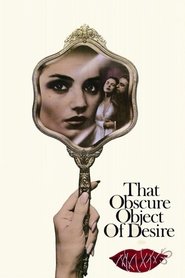
That Obscure Object of Desire (1977)
Buñuel casts two actresses — Carole Bouquet and Ángela Molina — as the same woman, and swaps them without a cut you'd notice, a line, or a dream to file it under; watch how long it takes you to feel the trick before you can name it. Notice too the deliberately flat, even lighting, which refuses all glamour, and the inexplicable objects (a burlap sack, carried through scene after scene) that this well-bred world declines, out of politeness, to acknowledge. It's a comedy of a man who can describe the woman he wants in exhaustive detail without ever once managing to see her.
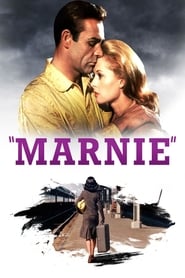
Marnie (1964)
Hitchcock opens by withholding the one thing a thriller usually hands you first: a face to look through. Watch how the camera studies Tippi Hedren the way a doctor watches a patient — long lenses flattening her against the architecture, two-shots held past the point of comfort so you can't settle behind anyone's eyes. And watch for the red: when certain objects appear, the whole frame floods crimson, feeling before explanation.
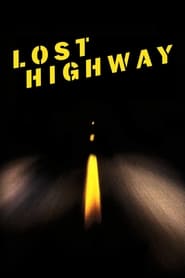
Lost Highway (1997)
Peter Deming photographs the Madison house as near-total darkness — rooms defined by what you can't see, characters walking into blackness and simply dematerializing. Lynch takes noir's furniture (the femme fatale, the gangster, the surveillance tapes) and strips out motive, explanation, and detection. Watch what the film does with Patricia Arquette, brunette and blonde: it refuses ever to give you the cut that would tell you whether you're watching what happens or what someone dreams.
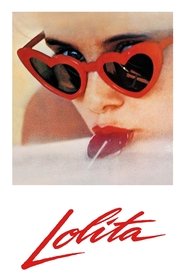
Lolita (1962)
Kubrick's boldest move is structural, and he shows it in the first minutes: the story is told after the fact, confessed in voice-over by a man with every reason to lie. Watch how the long takes and unhurried black-and-white camerawork let scenes play out at length, so you can see the gap between what Humbert's narration claims and what the frame actually shows. The whole film is an exercise in seeing through a self-justifying voice.
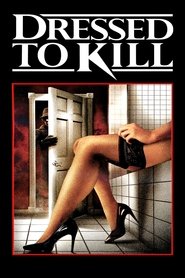
Dressed to Kill (1980)
The centerpiece is a museum sequence of several wordless minutes built entirely out of looking — who sees whom, who knows they're seen, and what the camera knows that nobody in the frame does. De Palma's gliding widescreen camera, his mirrors that split the human figure, and his split-diopter shots (near and far in simultaneous sharp focus) all make watching pleasurable — and then make you aware of your own pleasure in it. That discomfort is the design.
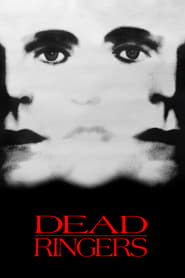
Dead Ringers (1988)
Watch the camera move when both Mantle twins share the frame: Cronenberg used computerized motion control so two Jeremy Irons performances could exist in one drifting, breathing shot, and you cannot find the seam. That invisibility is the film's subject in miniature — a thing and its double placed in one space until you can no longer say which is which. Peter Suschitzky's cool, antiseptic elegance keeps the horror inward, where it belongs.

Diary of a Chambermaid (1964)
Here is Buñuel's method at its most distilled: level camera, plain grey light, no music to tell you how to feel — a meal, a fetish, a scandal all lit exactly the same. The refusal to be surprised is the point; it lets the feral appetites underneath this respectable Normandy household show through the polite surface like a stain. Watch the objects, especially the boots: things charged with meaning the camera absolutely will not explain.
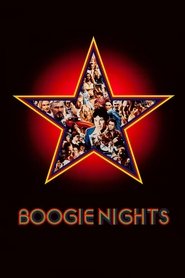
Boogie Nights (1997)
The opening shot descends from a neon marquee and refuses to stop moving — one unbroken take that threads through a nightclub and introduces the entire ensemble as a single moving body. Watch how Anderson and Robert Elswit's Steadicam keeps insisting on that wholeness: this chosen family of the marginalized breathes, parties, and panics together, and the long takes decline to cut them apart.

The Piano (1993)
Ada doesn't speak, and Campion films her silence not as a lack but as a chosen channel — everything routed through her face and hands. Watch the rhythm of Stuart Dryburgh's photography: vast, cold, desaturated wilderness, then a sudden press into extreme close-up, a feeling held on a face before it can become an action. In a palette this restrained, a single candle-lit interior lands like an event.

The Postman Always Rings Twice (1981)
Sven Nykvist — Bergman's great cinematographer — lights a Depression roadhouse as if by its own dim bulbs and windows, and that plain daylight is the film's argument. Watch how eating and wanting are filmed as the same appetite: hunger for bread, for a body, for a different life, all one continuous pull toward ruin. It's pulp material treated with art-cinema patience, and the collision is the point.
The Cook, the Thief, His Wife & Her Lover (1989)
Watch a man walk from the loading bay into the kitchen into the dining room and watch his clothes change color at each threshold — no cut, no visible trick, just Sacha Vierny's stately sideways glide through color-coded rooms. Greenaway builds the whole film from this move, a nightly procession through painterly tableaux where eating, sex, money, and power are all one appetite. Stop asking what happens; start watching what's being consumed.
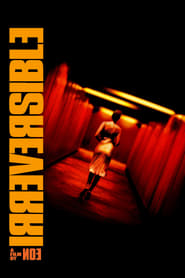
Irreversible (2002)
Noé tells his story from last moment to first — even the credits scroll the wrong way — so that nothing anyone does can change what you've already seen. Watch Benoît Debie's camera in the early stretches: corkscrewing, unmoored from any human viewpoint, climbing walls and ceilings, then calming as the film moves backwards toward gentler hours. The structure makes time itself the subject — le temps détruit tout — and turns ordinary tenderness into something almost unbearable to watch.
Seen together, these twelve films teach a single skill: watching how a film watches. You'll start to notice when a camera studies rather than chases, when flat light is a moral position, when a long take is an act of loyalty and a swapped face is a philosophical joke. You'll see the same obsessions passed hand to hand — Hitchcock's cold gaze flowing into De Palma, the double splitting from Buñuel through Lynch and Cronenberg, appetite eating its way from a Normandy manor to a Depression diner to a green-lit London kitchen. None of these films will tell you what desire means. All of them will show you, with astonishing precision, what it looks like from the outside — which may be the only place it can be seen at all.