Sightlines · a mini film course
Caught Looking: Twelve Films Where Watching Is the Whole Drama
Every film on this list has a murder in it somewhere, and most of them are drenched in shadow — but that's not really what binds them. What binds them is a shift of weight from doing to seeing. These are movies where a plan, a scheme, a getaway, an investigation is set in motion — and then the film's real interest turns out to be somewhere else: in a face registering a feeling before it can become an action, in a camera that watches rather than chases, in a room where the shadow arrives before the man does, in the terrible gap between what the image knows and what the person inside it can bear to know. Watch them roughly in order and you can feel a whole tradition learning that the most suspenseful thing in cinema isn't the deed. It's the look.
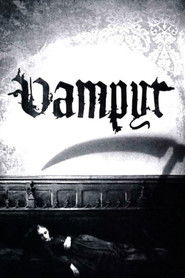
Vampyr (1932)
Dreyer's cinematographer Rudolph Maté hung a thin layer of gauze in front of the lens, so the whole world arrives misty, grayed, half-blind — as if seen through a film over the eyes. The hero barely acts at all; he drifts and looks, and the movie asks you to do the same, watching shadows that move without bodies and listening to near-silence broken by stray sounds treated like shadows themselves. Notice how often the film puts you in an impossible vantage point — this is horror built not from monsters but from where the camera is allowed to lie down.
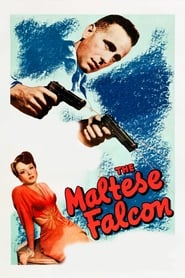
The Maltese Falcon (1941)
A detective picture with almost no action in it: nearly the entire film is people talking in rooms, and the suspense lives in inference — who's lying, what each remark implies, what an object might mean. Watch Arthur Edeson's lighting carve figures out of dense shadow and use deep focus to trap characters within layered planes of décor, so a hotel room becomes a chessboard. Bogart's Spade is less a man of fists than a man of reading — and the film quietly makes you his fellow reader.
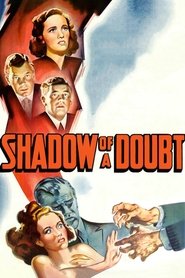
Shadow of a Doubt (1943)
Hitchcock shoots the small town in flat, almost documentary daylight — and then lets shadow slide laterally into the sunlit family house whenever a certain beloved uncle enters the room. The terror here is never in a deed; it's in who knows what, and what each person knows about the other's knowing. Watch how a single small object — a gift, a ring — can carry more dread than any act of violence, and how menace evaporates the instant a third person walks into the room.
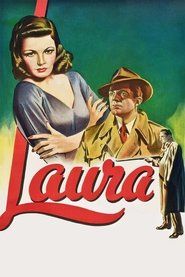
Laura (1944)
A detective investigates a woman he never met, assembling her out of her letters, her Scotch, and above all her portrait — which Preminger lights a half-shade warmer than the room around it, so the painting keeps its own small reserve of life. This is a film about falling in love with an image, and its elegant, selective lighting is the argument. Watch how everything you learn arrives filtered through the distorted testimony of people who loved her.
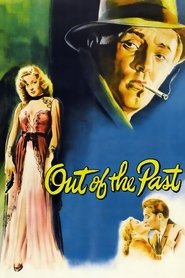
Out of the Past (1947)
Nicholas Musuraca lights with a single low, raking key and lets the rest of the frame fall into genuine black — faces split by shadow, style as fatalism. The famous structure is a long, narrated drive into memory, bridged by dissolves and Mitchum's voice, and the trick to feel is this: the past here isn't behind the hero. It waits up ahead of him, and he seems to know it before you do.
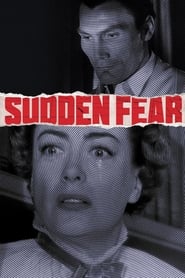
Sudden Fear (1952)
Charles Lang splits the film visually in two: a warm, open courtship, then a slow darkening into deep shadow and oppressive rooms. The whole picture turns on performance — an actor, a playwright, and the question of whether love can be staged — and on one extraordinary passage where Joan Crawford, isolated in a field of black, must travel from contentment to horror to cold calculation almost without a word. Watch her face in silence: the muscles doing the work