Sightlines · a mini film course
When the Camera Refuses to Chase: A Dozen Films About Watching, Waiting, and Reading the Signs
Most thrillers are built like machines: someone sees a problem, someone acts, the problem changes shape, cut, repeat. The twelve films on your list all know that machine intimately — and every one of them does something interesting to it. Some let it run at full, terrifying efficiency so you can feel the gears mesh. Some let it stall, forcing characters (and you) to simply sit inside a situation nothing can fix. Some turn the detective's chase into a reading assignment — crime scenes as letters addressed to the investigator, and to you, leaning over their shoulder. Watched together, these films become a course in what happens when cinema stops asking "what will the hero do?" and starts asking "what can be done at all — and who is really doing the looking?"
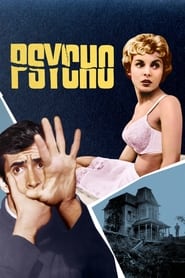
Psycho (1960)
This is the ancestral text, so start here. Watch how the first stretch of the film moves — a woman who steals, drives, lies, decides — every shot in service of her action. Then notice the moment the film simply stops carrying her forward, and what that rupture does to your sense of who a movie belongs to. Notice too how much of the film is about watching: through car windows, through peepholes, through the frame itself. Hitchcock makes you a participant in the looking before you realize what looking costs.
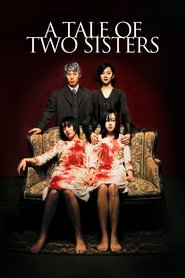
The Innocents-adjacent gothic — A Tale of Two Sisters (2003)
The scariest thing here is the wallpaper. Lee Mo-gae shoots this house like a children's book — warm woods, florals, deep ambers, symmetry framed through doorway after doorway — and the prettiness is the trap. Kim Jee-woon hides horror not in the dark but in the well-lit corner of a lovely room. Watch how the film blurs the line between what's happening now, what's remembered, and what's imagined — and resist the urge to sort it. The film's beauty is a composed surface over something you're not yet allowed to see.
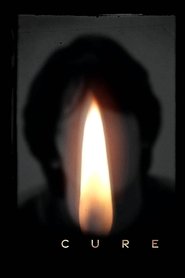
Cure (1997)
A point of light in the dark, a patient voice, a watcher emptied of resistance — Kurosawa builds his villain's method out of the oldest technology cinema has, and the film quietly does to you what it does to its characters. Watch the distance: wide, desaturated framings that hold people inside their drab environments rather than isolating them in close-ups, so dread seeps in from the edges of the frame. Notice that the central question — "who are you?" — sounds like nothing and lands like everything.
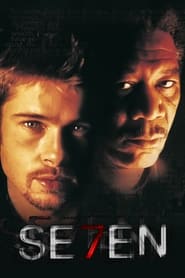
Se7en (1995)
A detective story usually wants you to watch a chase. This one wants you to do homework. Each crime arrives with its caption, and the film's real suspense is an act of reading — Somerset in the library at night, Dante and Chaucer, index cards under Bach. Watch Darius Khondji's light: every source motivated within the frame — a bare bulb, a flashlight, rain-streaked streetlight — the camera positioned to allow maximum shadow. The city itself becomes a text nobody wants to finish.
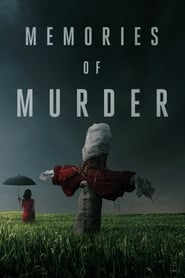
Memories of Murder (2003)
Watch the very first crime scene: the camera doesn't rush to the body. It drifts sideways, slow and lateral, and the wide frame gives the dead no more weight than the dirt above them. Most thrillers isolate the corpse; Bong lets the landscape absorb it. Hold onto that drift — it's the whole film in miniature. Notice how the standard procedural rhythm (question the witness, follow the lead, make the arrest) keeps misfiring, and how that misfiring becomes the film's actual subject: what an institution does when its tools don't work.
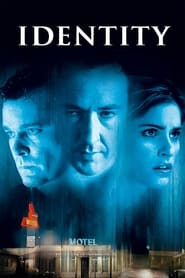
Identity (2003)
Watch the keys. A numbered room key on each body, counting down — you'll think you're keeping score in a murder mystery, and the gap between what you think you're counting and what's actually being counted is the whole game. Phedon Papamichael shoots the rain-soaked Nevada motel in sodium amber and cold blue, identical numbered doors lined up like a multiple-choice question — deliberately stagey, hermetic, sealed. Notice how artificial the space feels. That's not a flaw. That's the tell.
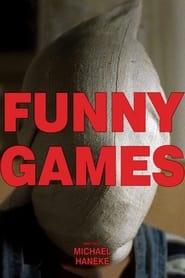
Funny Games (1997)
Haneke's camera watches rather than chases: long takes, static frames, flat undramatic light — every visual pleasure the thriller usually sells you is deliberately withheld. Watch how everything terrible happens offscreen, and how the camera then holds — on a room, on the aftermath, far past the point of comfort, refusing you the cut that would release you. This is a home-invasion film built as an argument about why you bought a ticket to a home-invasion film. Go in knowing it will be confrontational, and pay attention to exactly which comforts it takes away.
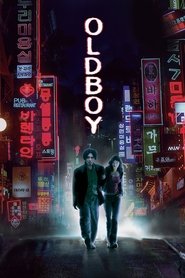
Oldboy (2003)
Watch the corridor fight — you'll know it when you see it. Filmed flat from the side in one unbroken take, the camera gliding along the wall like an eye tracking a line of text, permitting exactly one direction. Ask yourself: is this man choosing his path, or moving along a track someone laid down for him? That question is the whole film compressed into a single shot. Chung Chung-hoon's frame is never neutral — canted angles, overhead views that shrink a man to a figure on a board — the composition itself passing moral judgment.
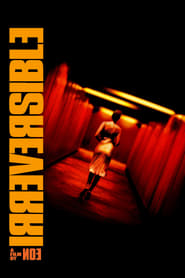
Irreversible (2002)
Fair warning: this is the most brutal film here, and it's brutal on purpose. Noé runs his long sequences from last to first — even the credits scroll the wrong way — so that nothing anyone does can change what you've already seen them suffer. Watch Benoît Debie's camera in the early sections: corkscrewing, banking, unmoored from any human point of view, gliding up walls. Then watch it gradually calm as the film travels backward toward tenderness. The structure makes time itself the subject: le temps détruit tout — time destroys everything — and the film's most devastating image is its gentlest one.
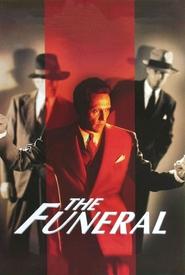
The Funeral (1996)
Ferrara opens where a gangster picture is supposed to end: a coffin in the front room, candles burning down, in the first minutes. Everything after happens in that body's presence. Watch Ken Kelsch's chiaroscuro — faces emerging from darkness, interiors lit by a few practical sources — and watch how the present keeps getting interrupted by the past, the wake and the memories trading places. This is a revenge plot drained of the genre's forward momentum: no rise, no empire, no glamour. What rushes into the gap is time, grief, and a fierce Catholic argument about whether these men ever had a choice.
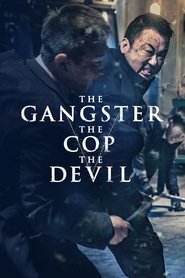
The Gangster, the Cop, the Devil (2019)
After all that stalling and drifting, here is the machine running at full throttle — and it's exhilarating to watch precisely because you'll now recognize every gear. A crime boss, a cop, and a killer, each acting on what they see, each act changing the situation, cause and effect meshing like clockwork. Watch the sodium-orange night exteriors, the wet asphalt, and the way the criminal hierarchy is staged as a parallel bureaucracy to the police. It opens with a violated order — a boss who should be untouchable, touched — and everything grows from that wound.
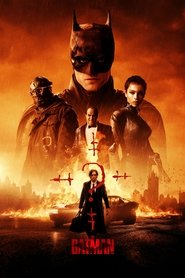
The Batman (2022)
Watch how much of this film is watching: a man at a window in the rain, a city under surveillance, and a hero who is, above all, the most patient observer in the room. Then a small white card — To the Batman — and a cipher, and suddenly you're decoding over the detective's shoulder, deputized. Greig Fraser's photography is famously underlit by blockbuster standards: near-monochrome dark punctuated by amber, sodium orange, and blood red, faces falling into shadow, light motivated by visible sources. Notice how the film borrows the grammar of the serial-killer procedural — crime scenes as messages addressed to the investigator — and grafts it onto a comic-book frame.
Why watch these together? Because they teach each other. Psycho shows you the moment a film can murder its own momentum; Funny Games and Memories of Murder build entire worlds out of that stall. Se7en and The Batman turn investigation into reading, and once you've learned to read crime scenes as letters, Cure will unsettle you by asking what the reading does to the reader. Oldboy and Irreversible both weaponize time — one as a track laid down in advance, one run brutally in reverse — while The Funeral lets the past flood the present and The Gangster, the Cop, the Devil shows the old machine still purring, so you can appreciate exactly what the others chose to break. And A Tale of Two Sisters and Identity both hand you a beautiful, sealed space and dare you to notice what the surface is covering. Watch for the light sources, the held shots, the direction of the camera's attention. In every one of these films, how you're shown things is the real story — and none of them will tell you that out loud.