Sightlines · a mini film course
When the Trigger Stops Working: Twelve Films About Men Who Can See Everything and Fix Nothing
The movies taught us a simple grammar: a character sees a problem, acts on it, and the world changes shape. The detective solves, the gunman shoots, the hero rescues. The twelve films below all inherit that grammar — most of them are crime pictures, the genre where action is supposed to work best — and every one of them, in its own way, jams the machinery. The camera watches rather than chases. Time is allowed to stretch, loop, or run in two directions at once. Men who are brilliant at doing discover that doing doesn't reach the thing they actually want. What replaces the old engine isn't emptiness — it's a new kind of attention, and these films will train yours.
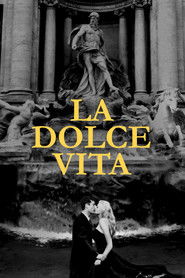
La Dolce Vita (1960)
Begin here, at the source. Fellini's hero is a gossip journalist — professionally a watcher — drifting through Rome's nights and dawns in wide black-and-white frames that turn celebrities into flat photographic surfaces. Notice the very first sequence: something holy and something trivial crossing the same sky, with all the words drowned out. Watch Mastroianni's face throughout — a performance built almost entirely out of intelligent, helpless reaction, and one of the most influential faces in modern cinema.
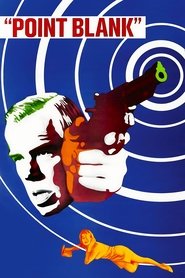
Point Blank (1967)
A pulp revenge plot shot like a European art film. Boorman refuses to frame his flashbacks — no dissolve, no cue — so the past bleeds into the present mid-scene, and sound carries across cuts from one time into another. Listen to the footsteps in the opening minutes: they become the percussion of the whole film. And notice how the compositions dwarf Lee Marvin against brutalist concrete and glass, a small hard man punching at an enemy that has become an institution.
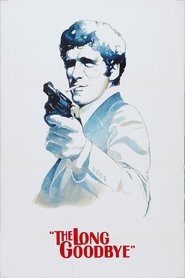
The Long Goodbye (1973)
Altman opens his murder mystery with ten minutes about cat food — and that errand is the whole film folded small. His camera never stops drifting, zooming, repositioning, like a curious bystander with its own agenda rather than a servant of the plot. Watch a private eye who still believes effort means something move through a Los Angeles that has quietly stopped keeping score, and notice how the camera's indifference becomes the film's argument.
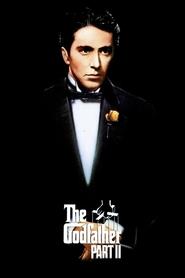
The Godfather Part II (1974)
Coppola braids two timelines — a father's rise, a son's reign — and asks you to read each one through the other. Watch Gordon Willis's light do the moral work: the Sicilian past shot in harsh, unadorned Mediterranean sun; the present sinking into amber rooms and near-total shadow, faces half-swallowed by darkness. Notice, too, how often the camera simply waits with Michael Corleone instead of cutting away — how much of this gangster epic is a man sitting still.
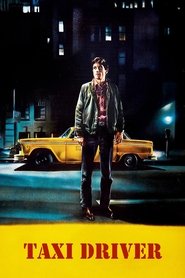
Taxi Driver (1976)
The film sees almost everything from inside the cab — windshields fogged and streaked, the city smeared into neon — close enough to Travis's point of view to infect you, then stepping back just far enough to let you judge him. Listen to the diary voiceover, a device borrowed from Bresson: words and images running parallel, not always agreeing. Notice how much of the film is a man circulating through a city, perceiving endlessly, unable to convert what he sees into anything.
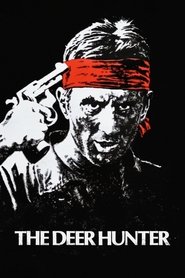
The Deer Hunter (1978)
"One shot" — a hunter's creed, and the film's entire subject compressed into two words. Watch Zsigmond's photography breathe between scales: figures as specks against monumental mountains, steelworkers dwarfed by the mill's glare, then the smoky, golden, backlit intimacy of the bar and the wedding hall. Cimino gives you an uncommercially long first act of pure ritual and community — trust it. The film needs you to know exactly what's at stake before anything is.
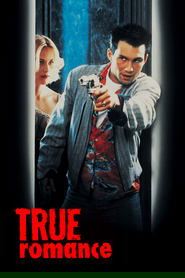
True Romance (1993)
Tony Scott shoots Tarantino's script in bruised blues and molten ambers, saturated to the edge of abstraction — image as pure sensation, closer to a perfume ad than to naturalism, and that's the point. Watch for the hero's mirror-conversations with a certain King: no wavy dissolve, no dream signal, shot dead literal. This is a man who assembled himself entirely out of movies and pop culture, and the film's wager is that a borrowed self, lived hard enough, might become a real one.
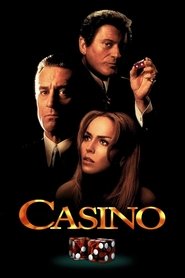
Casino (1995)
Scorsese switches off the suspense engine on purpose — the film narrates a fallen empire from inside its wreckage, so the question is never what but how. Watch Richardson's photography organize itself around excess: amber and gold flooding the casino floor, light pushed to harshness, a world too bright to hide in. And notice the long, gliding takes through the money's journey — a film that surveys its world the way its hero surveys his floor, seeing everything, controlling less and less.
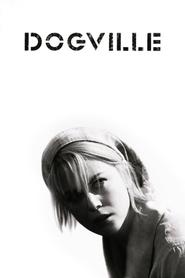
Dogville (2003)
Von Trier removes the town: chalk lines on a black floor, a word where the dog should be, actors miming doorknobs while the sound of a latch arrives from nowhere. With the visible world subtracted, every image becomes something you have to read — and the handheld camera hunting among the actors keeps you from settling into theatrical distance. Watch how the bareness intensifies rather than starves the film, and how it makes you complicit: there's no furnished room to hide behind.
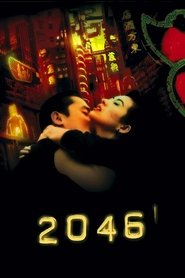
2046 (2004)
Wong Kar-wai's subject is latency — feeling arriving a beat too late to be lived. Watch the step-printing: single frames repeated two or three times, so a second of hesitation swells into something you can climb inside. The film moves between amber 1960s hotel corridors and the cold blue carriages of a science-fiction train, and refuses to tell you which is the frame and which the reflection — memory and story turning like two faces of one stone.
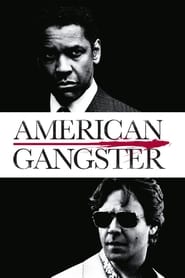
American Gangster (2007)
Read this one through the wardrobe. Savides builds the film on a chromatic opposition — the amber warmth of self-made luxury against institutional grey — and the costumes carry the moral argument: a grey suit that says my survival depends on not being looked at, a fur coat that says something else entirely. Watch how Ridley Scott, the informed outsider, treats the American Dream as a business model to be analyzed rather than a myth to be celebrated.
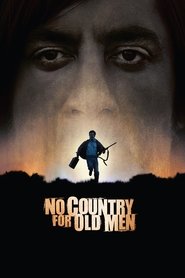
No Country for Old Men (2007)
Deakins shoots the desert as a participant, not a backdrop — long lenses compressing figures against featureless space, emphasizing distance and exposure. There is almost no score; tension is built from ambient sound, the rustle and the drone and the fluorescent hum. Watch the celebrated gas-station scene early on: a coin, a counter, two men talking, nothing moving — and notice how you're placed in the position of a witness who can see everything and do nothing about it.
Watched together, these films become a conversation across fifty years about what movies do when action fails — when the shot doesn't settle things, the investigation doesn't restore order, and the man who wins everything finds nothing left to act upon. Fellini's drifting watcher becomes Altman's obsolete detective becomes Travis in his cab; Boorman's fractured time becomes Wong's crystal of memory; Coppola's waiting camera becomes the Coens' silent desert. What they ask of you is the same thing they ask of their characters: to stop reaching for the next event and start looking — at light, at wardrobe, at the length of a held shot, at the space between what a person sees and what a person can do. That gap, it turns out, is where some of cinema's richest images live.