Sightlines · a mini film course
The Knowing Eye: Twelve Films About Watching, Performing, and What We Do With What We Know
Here's the secret thread running through this watchlist: nearly every one of these films tells you something crucial early — and then makes that knowledge the engine of everything you feel. These are not whodunits. They are films of dramatic irony, where you sit in the audience holding information a character doesn't have, and the suspense comes not from mystery but from watching the gap between what people believe and what is true. And running alongside that: an obsession with performance and self-invention — characters who assemble themselves in mirrors, stage their feelings, borrow other people's eyes, build identities out of posture and props. Watching, knowing, pretending. That's the course.
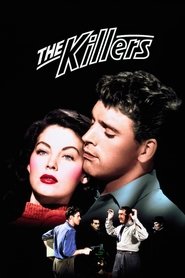
The Killers (1946)
Start here, at the headwaters of American noir. Notice the opening diner sequence, where Woody Bredell's lighting swallows the two hitmen halfway into shadow — light restricted so aggressively it feels like a moral condition. Then notice the structure: a dead man's life reassembled through the testimony of witnesses, a mosaic borrowed from Citizen Kane. The film's boldest move is a man who sees his fate coming and simply waits — a stillness that quietly broke the machinery of the American crime picture, where heroes are supposed to act.
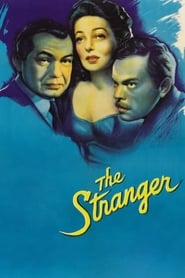
The Stranger (1946)
Welles tells you almost immediately who the villain is — and then dares you to watch everyone else fail to see it. The pleasure is in Russell Metty's photography: bright, clean New England daylight giving a small town its deceptive normalcy, then night interiors carved out of Weimar-style shadow. Watch for the moments when the fanatic surfaces through the affable professor in a single line of dinner-table conversation — respectability filmed as camouflage.

In a Lonely Place (1950)
Watch Bogart's face, and watch how Burnett Guffey lights it so that charm can curdle into menace within a single shot, without a cut. The film takes the most trusted persona in Hollywood and cracks it open. And watch the hands: this is a film where violence lives in gesture and demonstration — a man staging what he's capable of rather than doing it — which is somehow more frightening. Noir with no femme fatale and no heist; the threat comes from inside the room.
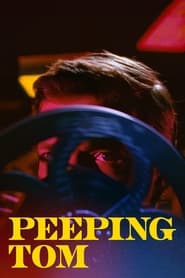
Peeping Tom (1960)
The film that made a camera itself the weapon. Powell tells you what Mark does almost at once, so your dread comes from knowing what the warm girl downstairs doesn't. Notice the small mirror bolted to the killer's camera — recording and reflecting in the same instant — and notice how Otto Heller's images are beautiful in ways that feel wrong, refusing both Gothic shadow and gritty realism. This is a film about the violence latent in looking, and it makes you the looker.

Diary of a Chambermaid (1964)
Buñuel's method is a kind of magnificent refusal to flinch. Roger Fellous shoots everything — a meal, a fetish, a corpse — in the same flat, even grey, at eye level, with no music telling you how to feel. The result: a bourgeois household filmed as a thin skin stretched over appetite and cruelty. Watch how objects (boots, especially) carry charge the camera declines to explain, and how the widescreen frame keeps placing figures inside the architecture of their class.
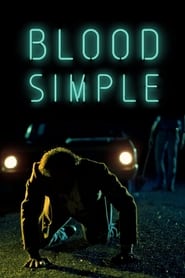
Blood Simple (1985)
The Coens' debut hands you superior knowledge from the start and then weaponizes it, in the tradition of Hitchcock. Every character misreads their situation; every disaster flows from certainty about things that aren't true. Watch how Sonnenfeld's camera is the film's argument — low angles making domestic spaces loom, suspense built from the geometry of what can and can't be seen through windows and walls. You will know more than everyone on screen, and it will not be comfortable.
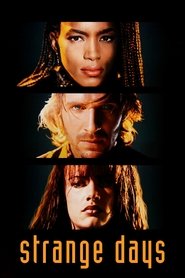
Strange Days (1995)
Bigelow opens by putting you inside someone else's body before telling you whose — a first-person plunge shot on custom rigs, extending experiments that go back to the 1940s. Notice the film's two distinct kinds of image: the grimy, neon-soaked "real" Los Angeles, and the immersive point-of-view recordings that people buy and sell like a drug. Made years before GoPro, bodycams, and VR, it asks what it costs to rent someone else's eyes — and what it makes of you when you watch.
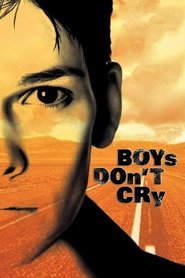
Boys Don't Cry (1999)
Watch the opening: a young man at a mirror, practicing a walk, tilting a hat — filmed not as deception but as craft. Peirce presents identity as something built with labor and courage, and Jim Denault's cinematography holds two registers in tension: handheld, naturalistic intimacy inside trailers and bars, and lyrical Great Plains skies in the tradition of Badlands — the flatlands as both grit and reverie. A landmark of queer American independent cinema, and a study in how much a body can say without a word.

American Beauty (1999)
Conrad L. Hall's Oscar-winning photography builds a suburban prison out of pure geometry — centered compositions, doorframes, blinds, and banisters boxing characters into their lives, a compositional language inherited from The Graduate. But the film's heart is a boy with a camcorder who films a plastic bag turning in the wind for far too long. Watch how the film keeps asking you to look closer — and notice that its most important moments are the ones where nothing happens and someone simply beholds.
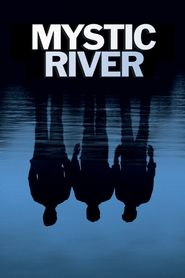
Mystic River (2003)
Watch the opening image — three boys scratching their names into wet cement, one name left unfinished — and hold it in mind, because Eastwood plants it and lets it sit for two hours. Tom Stern's photography is a study in darkness: deep, enveloping shadow with pooled, motivated light, classical studio craftsmanship surviving into the twenty-first century. The film builds the oldest engine in American movies — pressure toward a decisive act — and then does something quietly devastating with where that pressure aims.
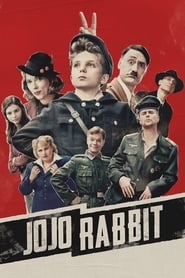
Jojo Rabbit (2019)
Notice the disorienting brightness: Mihai Mălaimare Jr. shoots the Reich in symmetrical, saturated, picture-book compositions, because we're seeing the world as a ten-year-old true believer sees it — orderly and toy-like. The film's boldest device is an imaginary Hitler who bums cigarettes and delivers pep talks a child could have written, reviving the gambit of Chaplin's The Great Dictator: shrink the tyrant into a buffoon. Watch how the film shows indoctrination as an interior voice being manufactured — out of posters, radio, and a fatherless kid's aching want.
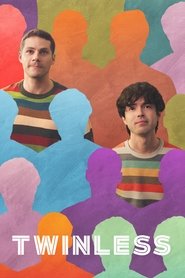
Twinless (2025)
The newest film here, and a worthy heir to the whole lineage: a story built on a fabrication the audience understands better than the person being deceived. Watch how Sweeney generates "exquisitely uncomfortable" tension through camera placement alone — holding on faces a beat too long, letting two-shots curdle, keeping you unsure how much menace hides under the comedy. It belongs to the doppelgänger tradition (the dual-role technical wizardry of Dead Ringers and Adaptation), and it asks a hard question: can something real be built on something false?
Watch these together and you'll start to feel the rhyme scheme. A man practices a walk in a mirror; a boy practices a salute; a killer mounts a mirror to his camera; a liar rehearses grief in a support group. Again and again, these films hand you knowledge early and make you carry it — turning suspense into something closer to responsibility, because you can see the trap closing and no one on screen can. And again and again, they suggest that the self is something made: assembled from gestures, borrowed eyes, and stories we tell until they come true. From 1946 to 2025, from black-and-white shadow to saturated picture-book color, the question stays the same — what do you do with what you see? These films don't chase. They watch. Watch with them.