Sightlines · a mini film course
Watching the Watchers: Noir and the Art of Not Knowing
Every film in this set is a crime story, and not one of them is really about the crime. What binds them — from a 1943 small town to a 1997 house made of shadows — is a shared obsession with knowing: who knows what, whether what you see can be trusted, and what happens when the person doing the looking can no longer act on what they've seen. The classic detective converts clues into deeds; these films keep jamming that machine. Wives listen helplessly to their own murder being planned. Detectives fall down instead of deducing. Narrators build entire worlds out of lies told beautifully. Cameras linger on the act of watching itself until you feel implicated. Watch these together and you'll see the crime film turned inside out: less "who did it" than "how do we ever know anything — about a spouse, a stranger, a memory, ourselves?"
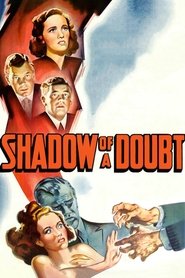
Shadow of a Doubt (1943)
Hitchcock builds terror not out of deeds but out of what each person knows about what the other knows. Notice how the menace exists only when exactly two people are in a room — and evaporates when the family is present. Watch the objects, especially a ring: Hitchcock makes small things carry enormous, silent meaning, and pins your knowledge to the young heroine's so that you're as trapped as she is, unable to speak without wrecking the household. Also note the lighting: the town is photographed with sunny, documentary plainness, while shadow creeps sideways into the bright rooms whenever the uncle enters.
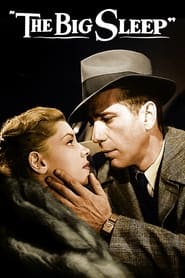
The Big Sleep (1946)
The famous fact about this film is that its plot doesn't fully resolve — even the filmmakers couldn't account for one death — and that's the most modern thing in it. Watch how Hawks makes coherence irrelevant: Bogart and Bacall's overlapping, rapid-fire dialogue carries meaning through rhythm as much as content, and the mood of high-contrast shadow and stifling interiors (that opening greenhouse, hot enough to sweat in) does the storytelling the plot won't. You're placed in the detective's position: partial knowledge, total atmosphere.
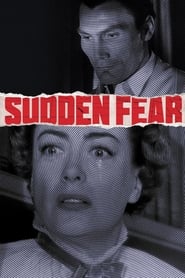
Sudden Fear (1952)
The film splits visually in two: watch how Charles Lang's Oscar-nominated photography turns from warm, open San Francisco courtship into deep shadow and oppressive rooms as trust curdles. The centerpiece is a wordless stretch where Joan Crawford's face, isolated in blackness, must travel an entire emotional arc in silence — watch the muscles work, the tiny movements gathering toward a decision. This is a film about performance itself: an actor, a playwright, and a marriage where nobody can be sure what's genuine and what's staged.
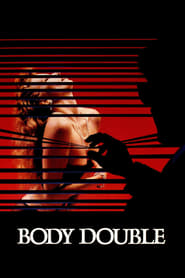
Body Double (1984)
De Palma never lets you forget you're looking. Watch for the telescope shots that keep the apparatus visibly in frame — the round vignette, the wobble of magnification — so you feel the act of watching as hardware, and feel slightly guilty about it. Note the split-diopter shots holding a foreground face and a deep-background doorway both knife-sharp, and the way the whole film doubles everything: bodies, performances, and Hitchcock himself, rebuilt in glossy, saturated L.A. light.
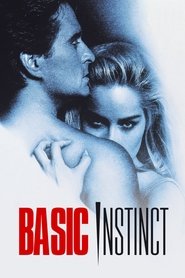
Basic Instinct (1992)
Watch Jan de Bont's camera: smooth, gliding, cool-toned, always circling. In the celebrated interrogation scene, notice how the framing quietly reverses who's in control — the woman in white becomes the still point while the entire apparatus of the law revolves around her. This is a thriller about a suspect who may be authoring the story she's inside, where confession, evidence, and desire are all potential performances that can't be peeled apart from fact.
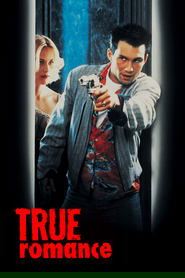
True Romance (1993)
Tony Scott shoots everything — including a conversation with an imaginary Elvis in a bathroom mirror — dead literal, lit like a perfume ad, in bruised blues and molten ambers pushed toward abstraction. Watch how the hero assembles himself out of pop culture: his apartment is an autobiography written in comic books and movie posters. The film's wager is that a self borrowed from the movies, lived hard enough, can become real — and that tenderness and shocking violence can share a single frame.
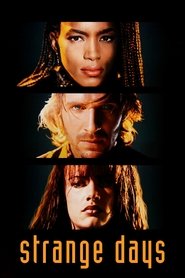
Strange Days (1995)
The opening puts you inside someone else's eyes before telling you whose — and that trick of "eyes for rent" is the whole film. Watch for the two distinct kinds of image: the grimy, neon-soaked "real" Los Angeles, and the unbroken first-person recordings that make you wear an experience rather than watch it. Made years before GoPro, VR, and bodycam footage, it asks what it means to crave someone else's sensations — and whether watching a recorded atrocity makes you complicit.
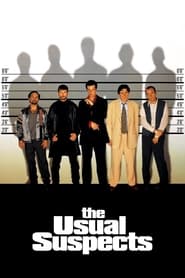
The Usual Suspects (1995)
Watch the two visual registers: the interrogation room is a deliberately stripped, bureaucratic white box, while the story being narrated inside it arrives fully lit, fully scored, fully convincing. That's the trap — the film uses cinema's oldest habit (show the flashback, and the audience believes it) against you. Notice how identity here is something performed and sustained: how you read weakness, disability, compliance, and which cues you trust.
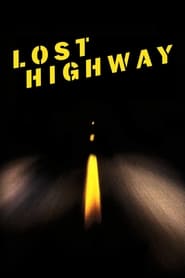
Lost Highway (1997)
Peter Deming photographs a house as a space of engulfing darkness — rooms defined by what you can't see, characters walking into blackness and dematerializing — set against bleached, sun-struck exteriors. Don't try to solve it; watch how Lynch refuses the cuts that would sort dream from fact, memory from present, one identity from another. One actress plays two women (or one woman, twice), and the film declines to tell you which. Let the unease be the point.
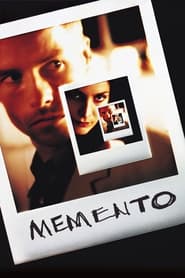
Memento (2000)
The structure is the story: color scenes run in reverse order, each ending where the previous began, so every scene drops you in with no memory of how you got there — while a black-and-white strand runs forward until they meet. You're not watching a man with no memory; for two hours, you are one. Watch the objects — Polaroids, notes, tattoos — as a prosthetic mind, and notice Wally Pfister's deliberately clear, restrained photography, which keeps the images legible so the structure can do the disorienting.
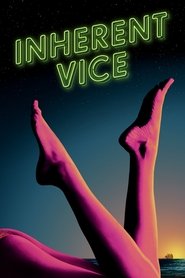
Inherent Vice (2014)
Watch a detective the case happens to. Doc perceives constantly and acts on almost nothing — at one point scrawling "not hallucinating" in his notebook because he can't trust the difference between a clue and a contact high. Robert Elswit shoots through doorways, windows, and smoke, keeping Doc's bemused face centered while the plot swells past anything one head can hold. Let the mood carry you the way it carried Altman's The Long Goodbye: this is an elegy for an era, disguised as a mystery.
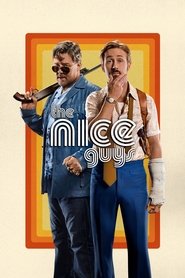
The Nice Guys (2016)
Shane Black takes the detective machine and shows you it seizing up — as comedy. Watch how leads arrive by accident, guns go off into wrong rooms, and the heroes flail where a classic gumshoe would deduce. Note Rousselot's warm, saturated 1970s palette — smoggy amber, swimming-pool blue, garish period interiors lit by visible practical sources — a deliberate refusal of modern thriller steel-blue. Underneath the jokes sits a Chinatown-style institutional conspiracy the heroes can barely dent.
Watched together, these twelve films become a conversation across seventy years. You'll see the same anxieties passed hand to hand: the domestic thriller's terror that the person beside you is a performer (Shadow of a Doubt, Sudden Fear) becomes the erotic thriller's fear of the unreadable lover (Body Double, Basic Instinct). The detective who reads the world confidently (The Big Sleep — almost) slowly gives way to detectives who can't (Inherent Vice, The Nice Guys), narrators who shouldn't be trusted (The Usual Suspects, Memento), and selves that won't hold still (Lost Highway, True Romance, Strange Days). The reward for watching them as a set is that you stop asking the crime film's official question — who did it — and start noticing the real one it's been asking all along: how the camera looks, who gets to tell the story, and whether seeing was ever the same thing as knowing.