Sightlines · a mini film course
The Cinema of Watching: Ten French Films Where Looking Becomes the Drama
Most movies run on a simple engine: a character sees a problem, does something about it, and the world changes. The films on this list — the great postwar French line, from Renoir's country house to Haneke's Paris apartment — quietly take that engine apart. Their heroes look, listen, wait, remember, hesitate. The camera stops chasing the plot and starts watching: a face held too long, a room studied in real time, a conversation allowed to stretch past comfort. What replaces action is something rarer — time itself becoming visible, feeling given room to breathe, spaces (an elevator, a château, an apartment) closing around people like beautiful traps. Watched together, these films teach you a new way of seeing: not "what happens next?" but "what is this moment made of?"
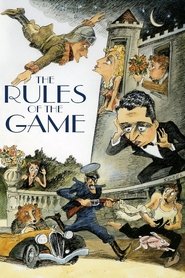
The Rules of the Game (1939)
The ancestor of everything here. Watch how Renoir keeps foreground and background alive at once — a flirtation up front, a quarrel in the back, both legible in the same shot — and how the camera drifts through the château without ever taking sides. Notice the mirroring: every gesture upstairs among the masters has its twin downstairs among the servants, until you lose track of which life is the performance and which the real thing. The Marquis's mechanical organ, with its little automated figures, is the film handing you its own key.
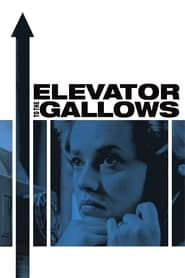
Elevator to the Gallows (1958)
Two visual worlds in one film: hard-edged shadow for the interiors — the office, the elevator shaft — and something looser and more modern for the Paris night outside. The central image is a man sealed in a stopped elevator after his careful plan is already complete, while the night quietly dismantles everything he arranged. Watch how every modern convenience — the car, the elevator, the camera — turns on its user, and how the film shifts from a machine of action into a study of helpless waiting.
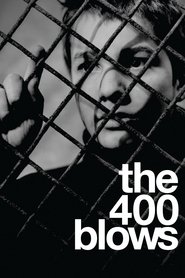
The 400 Blows (1959)
Truffaut's first feature, and the film that announced the New Wave to the world. Watch the austere Paris winter light, and watch how every adult institution — parents, school, the psychologist with her methodical questions — processes the boy through categories that don't fit him. He sees his world with perfect clarity; nothing he does lands the way it should. And know that the film's most famous image is a moment where the movement simply stops — pay attention when it comes.
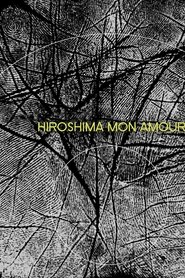
Hiroshima Mon Amour (1959)
The film opens with bodies shot so close they stop being bodies, skin grained with something you can't identify — and Resnais means you not to. Listen to the opening argument: a woman insists she has seen everything in Hiroshima; a man answers flatly that she has seen nothing. The images seem to obey her while the film sides with him. Watch how two cinematographers split the film between countries and registers, and how memory arrives in flashes the present tense can't contain.
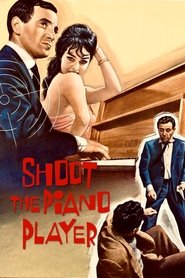
Shoot the Piano Player (1960)
A crime film with its wiring deliberately unplugged. The genre keeps handing the piano-playing hero cues to act; he keeps not acting — and Truffaut frames him accordingly, tucked into corners, caught in doorways, glimpsed behind the bar as though behind a screen. Watch for the film's whiplash tonal freedom (a gangster's joke can cut instantly to something absurd or terrible) and for Aznavour's astonishing economy: a dipped head, a beat of hesitation, a whole life in the way he doesn't speak.
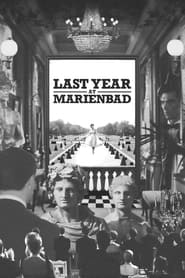
Last Year at Marienbad (1961)
Stand in the garden and look closely: the hedges cast long shadows; the people cast none. The film tells you, without a word, that you are not watching a record of anything that happened. A man insists on a shared past; a woman doesn't remember; the images try to oblige and keep getting it wrong — a gown changes color mid-conversation, a room won't stay put. Watch Vierny's gliding tracking shots through ornate corridors that never add up to a map. Nothing settles, and that's the point.
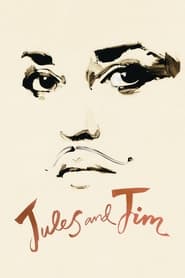
Jules and Jim (1962)
Coutard's camera is warm here where his work with Godard was raw — river light, period softness, an easy freedom with time. The structure comes from an unexpected source: the screwball triangle, two friends reorganized by a woman who seizes the story for herself. Watch for the moments when Truffaut simply stops the film — not at an ending, but in the middle of happiness, holding a laughing face longer than any living face would let you look. It's one of cinema's purest gestures of love.
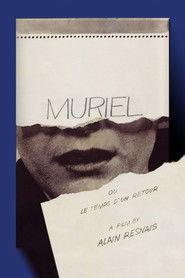
Muriel, or the Time of Return (1963)
Resnais trades Marienbad's hypnotic glide for something clipped and jagged: the opening shatters a simple domestic scene into a hail of two-second shots — a hand on a latch, a teacup, a glance that never lands. Feel the disorientation before you can name a character; that's the film's thesis. Watch how the past keeps failing to arrive: a lover summoned after twenty years, a young man carrying something back from Algeria that he can neither show nor say. The title character is never seen — an absent center the whole film circles.
Le Samouraï (1967)
It opens with a man lying on a bed in grey half-light, fully dressed, a cigarette burning, and several minutes pass before anyone speaks. Watch Delon's face — lit so sparingly that shadow erases expression, leaving pure surface, a single quality held to the edge of abstraction. The famous ritual of the fedora brim tells you where to look: not into him, but at the gesture that is him. Melville withholds cuts the way his hitman withholds speech; economy as moral discipline.
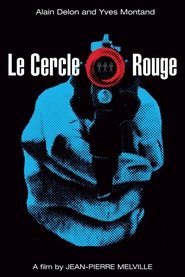
Le Cercle Rouge (1970)
Melville's heist masterpiece announces its fatalism before a single image appears, then spends 140 patient minutes demonstrating it. Watch the opening: a man leaves prison and finds the plot has moved before he has — staged wordlessly, everything legible from spatial arrangement and timing alone. And wait for the heist itself: roughly twenty-five minutes with no dialogue and no score, only creaking metal and controlled breathing. The camera observes rather than participates, held long past where anyone else would cut.
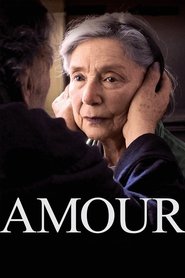
Amour (2012)
The modern inheritor of the whole tradition. Early on, at a piano recital, Haneke points the camera at the audience instead of the stage and makes you hunt through a hall of strangers for the two people who matter — assigning you your only job in this film: to watch. The camera stays static, at a respectful middle distance; you wait inside rooms, watch a meal prepared, a body lifted, in something close to real time. Two lives, one apartment, and love examined at its absolute limit, without euphemism and without uplift.
Watch these together and something remarkable happens: your eye retrains itself. You start noticing what these filmmakers noticed — that a held shot can carry more tension than a chase, that a face doing nothing can be the most eventful image on screen, that a house or an elevator or an apartment can become a whole moral universe. Renoir's roving deep-focus camera flows into Truffaut's frozen frames; Resnais's fractured memories echo forward into Haneke's patient rooms; Melville's silent professionals sit somewhere between them all, waiting. This is a cinema that trusts you to look — and the longer you look, the more it gives back.