Sightlines · a mini film course
Dressed for the Deal: Money, Ambition, and the American Body
Every film on this list is, one way or another, about the climb — toward money, legitimacy, love, or simply a bigger room. But what connects them isn't the subject; it's how they show it. In these films, ambition is something you can see: a coat, a suit, a voice that doesn't quite fit the throat it comes out of, a body learning to walk like someone richer. The camera keeps catching people mid-transformation — rehearsing, performing, dressing for a life they don't have yet. Watch the clothes. Watch the postures. Watch how light and space either flatter the dream or quietly refuse it. That's where these movies do their real arguing.
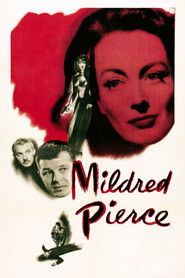
Mildred Pierce (1945)
Start here — the ancestor of everything else on this list. Ernest Haller wraps a mother's story of work and class ambition in hard-shadowed crime-movie lighting: barred venetian-blind shadows in the very first scene, faces sculpted by dramatic side-light. Notice how the story arrives as memory recounted in a police station, so every image of Mildred building her life carries a second, uneasy charge. The film puts ambition itself under suspicion before anyone does anything wrong.
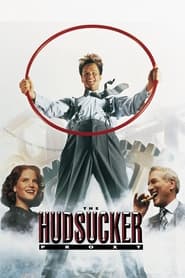
The Hudsucker Proxy (1994)
There's no real Manhattan here — the whole corporate world was built on soundstages from miniatures, matte paintings, and forced perspective, a Deco fantasy where architecture dwarfs the people inside it. Roger Deakins shoots it with a glossy, almost metallic sheen, the camera sweeping up and down the tower on showy cranes. Watch the clocks and the circles: this is a film where time isn't background — it runs the machine, and everyone in the building lives by it. It's a love letter to Capra and Sturges, rebuilt with cinephile reverence.
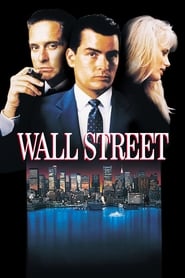
Wall Street (1987)
Watch Bud Fox at a mirror, knotting a tie that costs more than his father earns in a week, rehearsing a walk that isn't his yet — a body learning to wear a world. Robert Richardson's camera is a participant, not an observer: rapid zooms, high-contrast light that carves faces into moral geography. Notice, too, how the film stages power spatially — vast offices that psychologically dwarf the people in them, a trick inherited from Citizen Kane.
The Wolf of Wall Street (2013)
Scorsese and cinematographer Rodrigo Prieto refuse the moody shadows of classic crime cinema: everything here is hot, bright, garish — sunlit wealth with nowhere to hide. Watch how scenes are held long past the point of the joke, until slapstick curdles into something you watch through your fingers. And notice that nobody here seems to choose anything; the trading floor behaves less like a workplace than a single hungry organism.
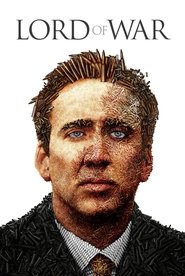
Lord of War (2005)
The opening is the thesis: a single unbroken journey that follows one bullet from the factory floor, through crates and borders, all the way to the end of the line — for two minutes the camera belongs to the merchandise itself, no human eye anywhere. Then the narrator starts talking, in the breezy patter of a man who could sell you the chair you're sitting in. Notice how clean, saturated, and well-lit everything is: the film deliberately makes the trade look seductive, and dares you to enjoy the pitch.
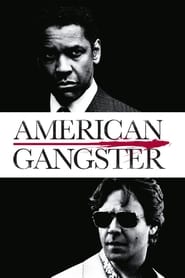
American Gangster (2007)
Read this one through the wardrobe. Frank Lucas dresses like an accountant — conservative, mid-priced, forgettable — because invisibility is the first rule of his business, and the film's whole moral argument lives in what happens when a man like that starts wanting to be seen. Harris Savides splits the movie chromatically: amber warmth and fur-coat luxury on one side, institutional grey on the other. Notice how the drug trade is filmed in the language of branding and business — product quality, market share — analysis, not celebration.

A Most Violent Year (2014)
Bradford Young's photography is the star: underexposed, brown-gray-amber, skies the color of dirty snow, rooms lit as if by a single failing bulb. The camel-hair coat Oscar Isaac wears is armor and costume at once — a man insisting, scene after scene, that he will not become what the city expects. It's a gangster film built on the refusal of gangsterism: the drama lives in negotiations, lawyers, and deals under threat, delivered in the same measured breath as veiled menace.
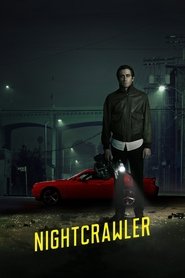
Nightcrawler (2014)
Robert Elswit shoots nocturnal Los Angeles as a glittering, depopulated grid — empty freeways, fluorescent convenience stores — and the film treats it as genuinely beautiful, which is part of the trap. Watch what Lou Bloom does with his camera: notice the moment the observer stops merely recording and starts composing what he sees. It descends from the great American media satires — Ace in the Hole, Network — where the appetite for sensational footage creates the very market it claims to serve.
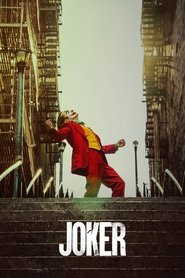
Joker (2019)
The film's visual arc is spatial: Arthur begins in compressed, low-ceilinged institutional rooms, and the frame gradually opens as he changes. Listen for Hildur Guðnadóttir's lone cello — recorded before a frame was shot, then given to Joaquin Phoenix to move against, so the body leads and meaning trails behind it. For long stretches, this is a film about a man who can only watch and endure, shot through doorways like surveillance, refusing to cut away from discomfort.
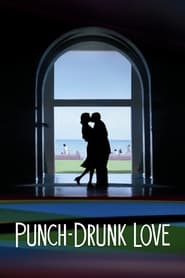
Punch-Drunk Love (2002)
An unexplained gift — a small, broken-sounding harmonium left on an empty street at dawn — sets the tone: things arrive here that no one can process. Elswit's handheld camera catches Barry off-balance, mid-gesture, from odd angles, and the primary colors (that blue suit,