Sightlines · a mini film course
There's a certain kind of movie hero who barely speaks, keeps his apartment bare as a monk's cell, and knows exactly where every exit is. This dozen films — spanning half a century, from a 1956 racetrack heist to a Nordic thriller in a corporate lobby — all circle the same figure: the professional. The hit man, the cop, the thief, the fixer, the avenger. But what makes this set a course rather than a pile is how the cameras treat these men. Some films run like machines — every glance becomes a decision becomes an act, cut tight as clockwork. Others deliberately jam the machine: the camera watches rather than chases, time is allowed to stretch, a face is held long after the moment for action has passed. Watch these together and you'll start to feel the difference in your body — when a film is pulling you forward, and when it's asking you to sit still and simply see.
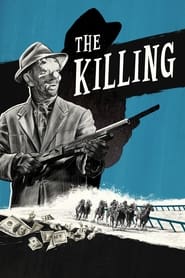
The Killing (1956)
Kubrick builds a heist picture the way his planner builds the heist: as a model of total control. Notice the scrambled clock — the film keeps rewinding and replaying the same day from different angles, a narrator stitching the chronology tidy — and the deep-focus rooms Kubrick tracks through with wide lenses (over his cinematographer's objections, legend has it). The real subject is the collision between a perfect plan and everything a plan can't foresee: a marriage's resentments, a stranger's prejudice, sheer weather. The structure itself is the argument.
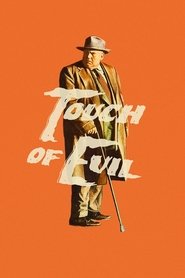
Touch of Evil (1958)
Start with the famous opening: a bomb in a car trunk, and one unbroken three-minute crane shot that binds a whole border town — traffic, neon, music bleeding between doorways — into a single breathing motion. Then watch how Welles shoots his corrupt cop from floor level, wide-angle, ceiling pressed down on his head, until the man looks monstrous. The film rarely settles into ordinary shot-reverse-shot; actors move toward and away from the lens instead, and the emphasis comes from proximity, not cutting. This is the classical noir cycle pushed to its exhausted, extravagant limit — and it's glorious.
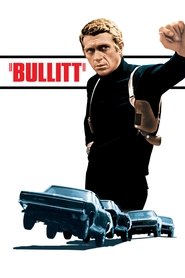
Bullitt (1968)
Watch the small gesture before the legendary San Francisco chase: McQueen spots the pursuing car in his mirror, says nothing, and simply buckles his seatbelt. The film is built out of moments like that — long, patient stretches of a competent man just working: waiting in a hospital corridor, buying frozen dinners at 2 a.m. Yates shot on real streets in available light, and the chase runs without music, carried by engine roar alone. Most thrillers treat the in-between as connective tissue; Bullitt treats it as the whole point.
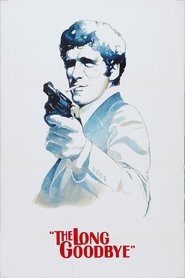
The Long Goodbye (1973)
Altman opens a murder mystery with a man trying to fool his cat with the wrong brand of cat food — and that errand is the film in miniature. Watch the camera: it never sits still, always drifting, zooming, panning across a room like a curious bystander with its own agenda, refusing to guarantee that what it shows you means anything. This is the detective picture with the certainty removed — Elliott Gould's Marlowe keeps investigating, keeps honoring his code of loyalty, in a Los Angeles that has quietly stopped keeping score.
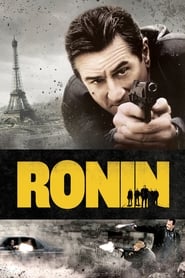
Ronin (1998)
Frankenheimer's great subject here is legibility. Watch how the two car chases — real vehicles at real speed, cameras rigged at bumper height, no visual confetti — always keep you oriented: you know where hunter and hunted are at every second, and the tension comes from that clarity, not from chaos. Then watch the briefcase everyone bleeds for, which the camera tracks obsessively while never showing you what's inside. The title invokes samurai without a master, and the film's cool, wintry European look strips every ounce of glamour from its ex-operatives.
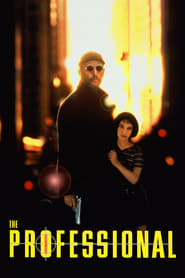
Léon: The Professional (1994)
Besson gives you an assassin who drinks milk, does sit-ups in the dark, and waters a houseplant he calls his only friend — "no roots, like me." Watch the palette: warm ambers and golds in the refuges, cooler light in the institutional and violent spaces. And watch what Jean Reno does with stillness — a nearly wordless performance in the lineage of Melville's monkish French hit men, where the interesting scenes aren't the kills but the held close-ups in between, when the professional stops functioning and just becomes a face.
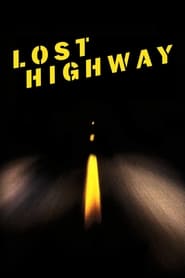
Lost Highway (1997)
Lynch takes the noir kit — femme fatale, gangster, murder, doomy Los Angeles — and removes the part that usually holds it together: explanation. Watch how the Madison house is photographed as near-total darkness, rooms defined by what you can't see, characters walking into blackness and dissolving. Watch how one actress plays what may be two women, and how the film refuses to give you the cut that would settle it. Don't fight the structure; let it work on you like a dream that keeps returning to the same door.
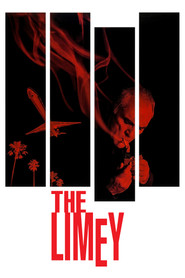
The Limey (1999)
Soderbergh does something audacious here: for the hero's memories of his younger self, he uses actual 1967 footage of Terence Stamp from another film entirely — grainy, gold, thirty years younger — dropped into the present without any flashback signposting. Watch how the editing lets past and present share the same moment, the way memory actually surfaces while you're doing something else. Underneath the revenge plot is a film about grief, and the fractured form is the grieving mind. Ed Lachman shoots L.A. in bleached, unglamorous sunlight — a city profoundly foreign to the hard Englishman moving through it.
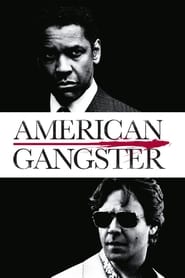
American Gangster (2007)
Watch the clothes. Frank Lucas dresses in forgettable grey — invisibility as business strategy — until a chinchilla coat at a prizefight gets him noticed, and Scott stages the noticing as a quiet clerical error, the camera finding the watchers before Lucas knows he's been seen. Notice too the chromatic split: amber warmth for the gangster's world, institutional grey for the cop's. The film treats the drug trade in frankly entrepreneurial language — brand, price point, market share — an outsider's cool analysis of the American Dream rather than a celebration of it.
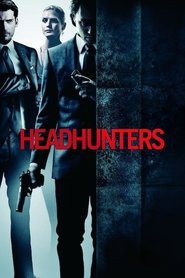
Headhunters (2011)
A Nordic thriller that starts in gleaming, aspirational clarity — corporate lobbies, a house too big, a breakfast table too perfect — and then methodically strips its polished hero down to pure animal survival. Watch how early, innocuous details are planted and return later as lethal mechanisms; the construction is pure Hitchcock, the wrong-man trap tightened notch by notch. And watch the tone: the violence is horrifying and absurdly funny at once, plans crossing at cross-purposes until catastrophe compounds. The camera famously refuses to flinch, no matter how far down its vain protagonist has to go.
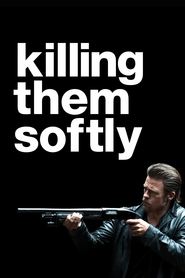
Killing Them Softly (2012)
Dominik films the underworld as a bad economy: everyone in these cramped, bilious two-shots — wet asphalt, sodium light — is complaining about being underpaid and squeezed. Talk, not action, is the real currency. Then, when violence comes, watch what he does with it: one killing plays in exquisite slow motion set to a pop standard, every shard of glass a jewel — and it's meant to make you queasy, beauty turned into an accusation. This is the gangster film deromanticized down to the studs, made in the shadow of 2008.
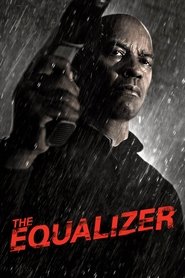
The Equalizer (2014)
For most of an hour, this is a film about a man and his rituals: the same diner, the same table, the napkin folded into a clean rectangle, the tea steeped the exact right number of minutes, a book read while he watches the room over the rim of a cup. Watch how often the camera finds Denzel Washington behind glass — framed in windows, caught in reflections — a man studying a world he won't step into. The patience is the point: within the aging-protector cycle, this film's distinction is its slowness, and when the stillness finally breaks, you'll understand why it was there.
Why watch them together? Because this set is really one long conversation about action and waiting. Kubrick's clockwork, Frankenheimer's chases, and Headhunters' trap show you the genre running at full efficiency — perception into decision into deed, no slack in the line. Then Altman, Lynch, and Soderbergh cut the wire: their men keep looking, keep remembering, keep investigating, and the world declines to respond. And in between sit the still professionals — Léon with his houseplant, McCall with his teacup, Bullitt with his frozen dinners — figures who hold both modes in one body, capable of anything and choosing, for long beautiful stretches, to do nothing but watch. Once you've seen all twelve, you'll notice something in every thriller you watch afterward: whether the camera is chasing — or waiting.